
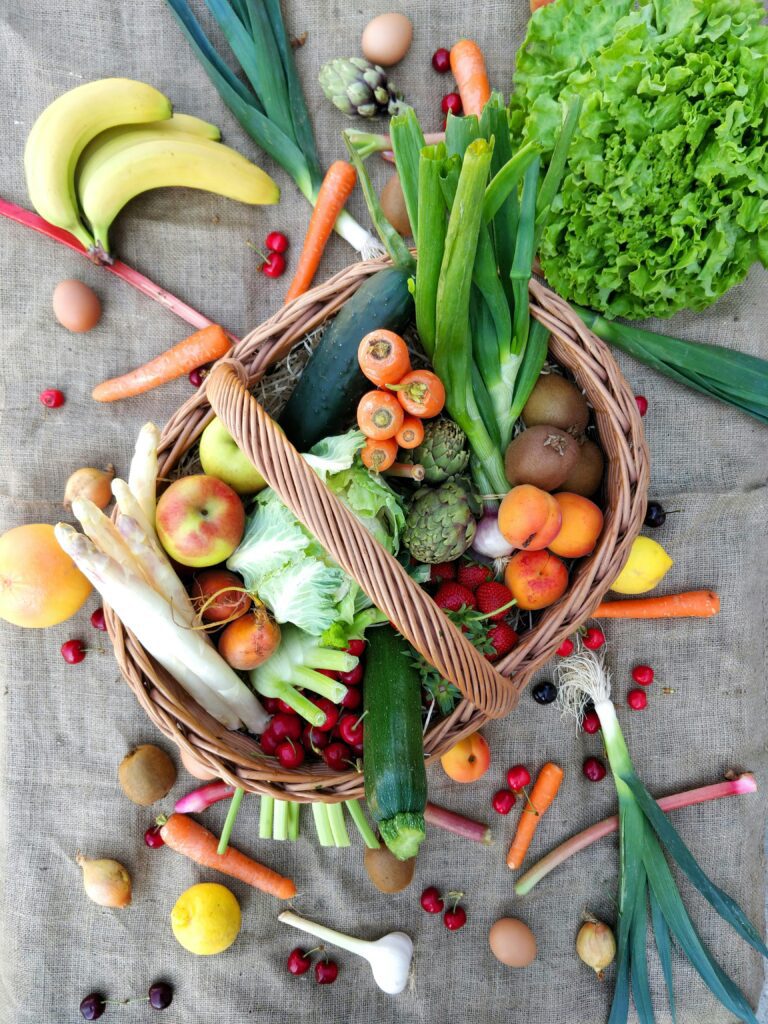
Foods That Support Digestion: What to Eat for Better Gut Health
Reviewed and Updated: June 2026
The foods you eat every day play a major role in digestive health. A balanced diet can help support nutrient absorption, digestive comfort, regular bowel movements, and overall gut wellness.
While no single food can solve every digestive issue, certain foods are commonly associated with healthy digestion and may help support a more balanced digestive system over time.
Medical Disclaimer: This article is for educational purposes only and does not replace professional medical advice. Consult a qualified healthcare professional regarding ongoing digestive concerns or medical conditions.
Digestive-Friendly Foods at a Glance
- Fiber-rich fruits and vegetables
- Fermented foods that support gut balance
- Whole grains for digestive regularity
- Hydrating foods that support digestive function
- Healthy fats that support nutrient absorption
- Foods rich in natural digestive nutrients
Why Food Matters for Digestive Health
Your digestive system breaks down food, absorbs nutrients, and helps eliminate waste. The quality of your diet influences how efficiently these processes occur.
Eating a variety of nutrient-dense foods may help support digestion, gut balance, and overall wellness.
Healthy digestion involves breaking down food, absorbing nutrients, and supporting overall digestive comfort.
For practical strategies that may support digestive wellness, read our guide on Natural Ways to Improve Digestion.
1. Fiber-Rich Fruits and Vegetables
Fiber is one of the most important nutrients for digestive health. It helps move food through the digestive tract and supports regular bowel movements.
Examples include:
- Apples
- Pears
- Berries
- Broccoli
- Carrots
- Leafy greens
Including a variety of fiber-rich foods may help support digestive comfort and overall gut health.
2. Fermented Foods
Fermented foods have been consumed for centuries and are commonly associated with gut wellness.
Examples include:
- Yogurt with live cultures
- Kefir
- Sauerkraut
- Kimchi
- Miso
These foods are often included in digestive-friendly eating plans because they contribute to a diverse gut environment.
3. Whole Grains
Whole grains provide fiber and other nutrients that may support digestive regularity.
Examples include:
- Oats
- Brown rice
- Quinoa
- Whole wheat products
Compared with heavily refined grains, whole grains generally provide more fiber and nutritional value.
4. Hydrating Foods
Water plays an important role in digestion, and some foods naturally contribute to hydration.
Examples include:
- Cucumber
- Watermelon
- Oranges
- Strawberries
- Celery
Proper hydration supports digestive processes and may help maintain regularity.
5. Healthy Fats
Healthy fats play a role in nutrient absorption and overall wellness.
Examples include:
- Avocados
- Olive oil
- Nuts
- Seeds
- Fatty fish
Including healthy fats as part of a balanced diet may help support digestive function and nutrient utilization.
6. Foods Rich in Natural Digestive Nutrients
Some foods contain enzymes or compounds commonly associated with digestion.
Examples include:
- Papaya
- Pineapple
- Ginger
- Peppermint
These foods are often discussed in relation to digestive comfort and healthy eating routines.
Foods That May Be Harder to Digest
Some people find that highly processed foods, excessive sugar, and overly large meals contribute to digestive discomfort.
Digestive tolerance varies from person to person, so paying attention to your own responses can be helpful.
Beyond Food: Other Factors That Affect Digestion
Diet is only one part of digestive wellness.
Other important factors include:
- Physical activity
- Hydration
- Stress management
- Sleep quality
- Eating habits and meal timing
For more practical strategies, read our guide on Natural Ways to Improve Digestion.
Supporting Nutrient Absorption
Healthy digestion is closely connected to nutrient absorption. Even a nutritious diet may not provide maximum benefit if nutrients are not absorbed efficiently.
Learn more in our guide on How to Improve Nutrient Absorption.
Can Supplements Support Digestive Wellness?
Some individuals explore digestive support supplements as part of a broader wellness strategy.
Integrative Digestive Formula is one supplement commonly discussed among people interested in digestive comfort, nutrient absorption, and gut wellness.
For a complete overview, read our Integrative Digestive Formula Review.
Frequently Asked Questions
What foods are best for digestion?
Fiber-rich fruits and vegetables, fermented foods, whole grains, hydrating foods, and healthy fats are commonly associated with digestive wellness.
Can food help reduce bloating?
Some people find that a balanced diet rich in fiber, hydration, and minimally processed foods may help support digestive comfort.
Are fermented foods good for digestion?
Fermented foods are often included in digestive-friendly eating patterns because they contribute to gut diversity and overall digestive wellness.
Why is fiber important for digestion?
Fiber helps support digestive regularity and healthy movement of food through the digestive tract.
Can supplements replace a healthy diet?
No. Supplements are generally intended to complement healthy eating habits, not replace them.
Final Thoughts
Choosing foods that support digestion is one of the simplest ways to promote long-term digestive wellness. A balanced diet rich in fiber, hydration, whole foods, and nutrient-dense ingredients may help support comfort, regularity, and overall gut health.
Combined with healthy lifestyle habits, these dietary choices can play an important role in maintaining digestive wellness over time.
Interested in Digestive Support?
Read our complete Integrative Digestive Formula review to learn more about digestive enzymes, nutrient absorption, gut wellness, and daily use considerations.
Related GreenlyPath Guides
Continue exploring digestion, gut health, and nutrient absorption.

Natural Ways to Improve Digestion

How to Improve Nutrient Absorption

How Gut Health Affects Immunity
Affiliate Disclosure: Some links on this page may be affiliate links. If you purchase through these links, GreenlyPath may earn a commission at no additional cost to you. This does not affect our editorial standards.