
Best Foods for Muscle Health After 40: Nutrition Tips for Strength and Recovery
Reviewed and Updated: June 2026
After 40, nutrition becomes increasingly important for maintaining strength, mobility, and healthy body composition. The body relies on protein, amino acids, vitamins, minerals, and healthy fats to support muscle repair and recovery.
Choosing the right foods for muscle health can help adults build a stronger foundation for healthy aging and long-term physical performance.
Medical Disclaimer: This article is for educational purposes only and does not replace professional medical advice. Consult a qualified healthcare professional before making major changes to your diet, exercise routine, or supplement use.
Muscle-Supporting Foods at a Glance
- High-quality protein sources
- Eggs and dairy foods
- Fatty fish rich in healthy fats
- Beans, lentils, and legumes
- Nuts and seeds
- Whole grains and nutrient-dense carbohydrates
Why Nutrition Matters for Muscle Health After 40
Muscle health is influenced by activity level, strength training, recovery, and nutrition. As adults get older, protein intake and nutrient quality become especially important.
Muscles need amino acids to repair, maintain, and rebuild tissue after daily activity and exercise.
If you want to understand the aging side of this topic, read our guide on Why Muscle Mass Declines With Age.
1. Eggs
Eggs provide high-quality protein along with important nutrients such as choline, B vitamins, and healthy fats.
They are easy to prepare and can be included in breakfast, snacks, or balanced meals.
2. Fish
Fish provides protein and, in the case of fatty fish, omega-3 fatty acids that support overall wellness.
Good options include:
- Salmon
- Sardines
- Mackerel
- Trout
- Tuna
3. Greek Yogurt
Greek yogurt is rich in protein and can be a convenient option for adults looking to support muscle health.
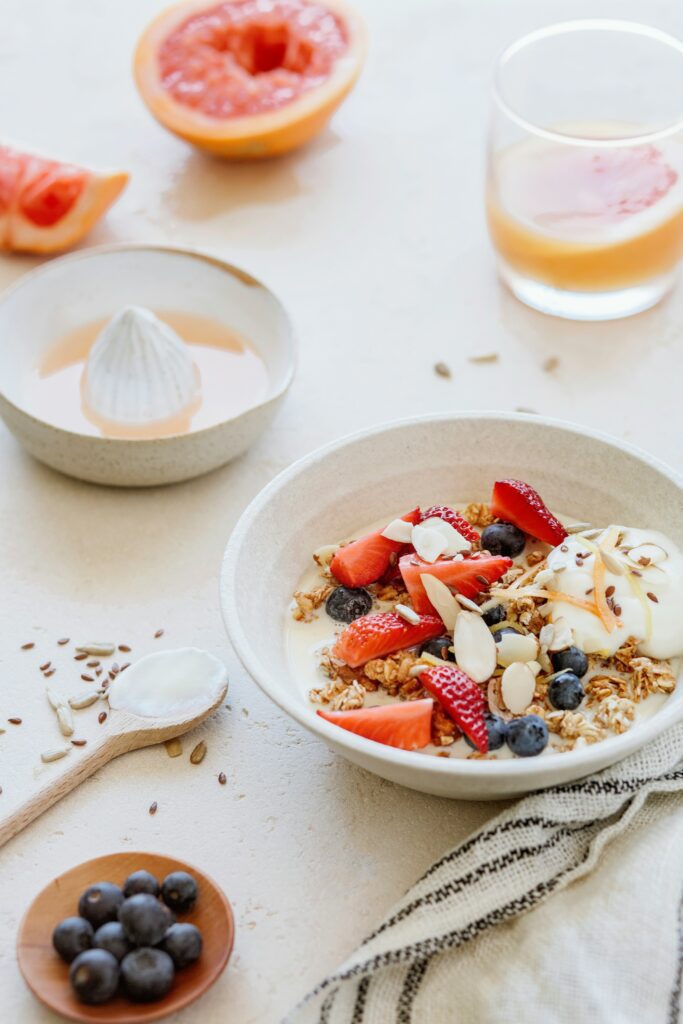
It can be paired with berries, nuts, seeds, or whole grains for a balanced meal or snack.
4. Lean Meats
Lean meats provide complete protein and essential amino acids that support muscle maintenance and recovery.
Examples include:
- Chicken breast
- Turkey
- Lean beef
5. Beans and Lentils
Beans and lentils provide plant-based protein, fiber, minerals, and slow-digesting carbohydrates.
They are useful for people who want to include more plant-based foods while still supporting muscle-friendly nutrition.
6. Nuts and Seeds
Nuts and seeds provide healthy fats, minerals, and some protein.
Popular choices include:
- Almonds
- Walnuts
- Pumpkin seeds
- Chia seeds
- Flaxseeds
7. Whole Grains
Whole grains provide energy, fiber, and nutrients that support active lifestyles.
Examples include:
- Oats
- Brown rice
- Quinoa
- Whole wheat products
- Barley
Carbohydrates are especially useful for supporting workouts, recovery, and daily energy.
8. Vegetables and Fruits
Vegetables and fruits provide vitamins, minerals, antioxidants, and fiber that support overall health.
Colorful foods can help support recovery and healthy aging.
Protein and Amino Acids: Why They Matter
Protein is made of amino acids. The body uses amino acids to support muscle repair, recovery, and many other functions.
Adults over 40 may benefit from paying closer attention to protein quality and distribution throughout the day.
Common Signs Muscle Health Needs Support
Some adults begin focusing on nutrition after noticing changes in strength, stamina, or recovery.
You may also enjoy our guide on Signs of Age-Related Muscle Loss.
Natural Ways to Maintain Muscle Mass
Food is important, but muscle health also depends on lifestyle habits such as strength training, sleep, movement, and recovery.
For practical strategies, read our guide on Natural Ways to Maintain Muscle Mass.
Can Supplements Support Muscle Health?
Some adults explore amino acid supplements as part of a broader muscle health and healthy aging routine.
Supplements should be viewed as support, not a replacement for protein-rich foods, strength training, and healthy daily habits.
Advanced Amino Formula is one supplement commonly discussed among people interested in muscle maintenance, recovery, and strength support.
For a complete overview, read our Advanced Amino Formula Review.
Frequently Asked Questions
What are the best foods for muscle health after 40?
Eggs, fish, Greek yogurt, lean meats, beans, lentils, nuts, seeds, whole grains, vegetables, and fruits are commonly included in muscle-supporting diets.
Why is protein important after 40?
Protein provides amino acids that support muscle repair, recovery, and maintenance.
Are plant-based proteins good for muscle health?
Yes. Beans, lentils, tofu, tempeh, nuts, seeds, and whole grains can contribute to muscle-supporting nutrition.
Do adults over 40 need more protein?
Protein needs vary, but many adults become more intentional about protein intake as they age to support muscle health and recovery.
Can supplements replace protein-rich foods?
No. Supplements should complement a healthy diet and lifestyle, not replace balanced meals.
Final Thoughts
The best foods for muscle health after 40 are nutrient-dense, protein-rich, and supportive of recovery and healthy aging.
Combining protein-rich foods with strength training, daily movement, sleep, and recovery habits can help support long-term strength and mobility.
Interested in Muscle Support?
Read our complete Advanced Amino Formula review to learn more about amino acids, muscle support, recovery, and daily use considerations.
Related GreenlyPath Guides
Continue exploring muscle health, strength, recovery, and healthy aging support.

Why Muscle Mass Declines With Age

Signs of Age-Related Muscle Loss

Natural Ways to Maintain Muscle Mass
Affiliate Disclosure: Some links on this page may be affiliate links. If you purchase through these links, GreenlyPath may earn a commission at no additional cost to you. This does not affect our editorial standards.