

Signs of Age-Related Muscle Loss: What Adults Over 40 Should Watch For
Reviewed and Updated: June 2026
Muscle loss can happen gradually, which makes it easy to overlook. Many adults first notice small changes in strength, stamina, balance, or recovery before realizing their muscle health may need more attention.
Understanding the signs of age-related muscle loss can help you take proactive steps to support strength, mobility, and healthy aging.
Medical Disclaimer: This article is for educational purposes only and does not replace professional medical advice. Consult a qualified healthcare professional regarding unexplained weakness, mobility concerns, or ongoing health issues.
Muscle Loss Signs at a Glance
- Gradual loss of strength
- Reduced stamina during daily activities
- Slower recovery after exercise
- Difficulty lifting or carrying objects
- Changes in muscle tone or body composition
- Reduced balance, mobility, or confidence
What Is Age-Related Muscle Loss?
Age-related muscle loss refers to the gradual decline in muscle mass, strength, and function that can occur as adults get older.
This process may be influenced by reduced activity, inadequate protein intake, hormonal changes, poor recovery, and other lifestyle factors.
If you want to understand why this happens, read our guide on Why Muscle Mass Declines With Age.
1. Everyday Tasks Feel Harder
One of the earliest signs of muscle loss is noticing that normal daily tasks require more effort than before.
This might include carrying groceries, climbing stairs, lifting household items, or getting up from a chair.
2. Reduced Grip Strength
Grip strength is often discussed as a useful marker of overall strength and function.
If opening jars, carrying bags, or holding objects feels harder than it used to, it may be worth paying closer attention to muscle health.
3. Slower Recovery After Activity
Many adults notice that their muscles feel sore or tired for longer after workouts, physical labor, or active days.
Recovery depends on sleep, protein intake, hydration, and overall training habits.
4. Loss of Muscle Tone
Changes in muscle tone may become visible over time, especially in the arms, legs, shoulders, or core.
This does not happen overnight. It usually develops gradually when strength training, protein intake, or activity levels decline.
5. Lower Stamina
Reduced endurance during walking, exercise, yard work, or daily activities may be another sign that muscle health needs more support.
Stamina is influenced by muscle strength, cardiovascular fitness, nutrition, and recovery.
6. Balance and Mobility Changes
Muscles play an important role in balance, posture, and movement.
If you feel less steady, less coordinated, or less confident moving around, strength and muscle maintenance may deserve more attention.
7. More Difficulty Building Strength
Some adults notice that building or maintaining strength becomes harder after 40.
This does not mean progress is impossible. It simply means consistency, protein intake, and recovery become more important.
8. Increased Fatigue After Physical Tasks
When muscle strength declines, the body may need more effort to complete basic physical tasks.
This can make everyday activity feel more tiring than it should.
What Can Contribute to Muscle Loss?
Several factors may contribute to age-related muscle loss:
- Low physical activity
- Lack of strength training
- Inadequate protein intake
- Poor sleep quality
- Chronic stress
- Reduced recovery
- Hormonal changes
How to Support Muscle Health Naturally
Strength Train Consistently
Resistance training helps signal the body to maintain and build muscle.
Prioritize Protein
Protein provides amino acids that support muscle repair and maintenance.
Stay Active Daily
Walking, stretching, and regular movement support mobility and overall wellness.
Sleep and Recover Well
Recovery is essential for muscle repair and long-term progress.
For more practical guidance, read our article on Natural Ways to Maintain Muscle Mass.
Best Foods for Muscle Health After 40
Nutrition plays an important role in maintaining strength and muscle function.
Many adults focus on protein-rich foods, healthy fats, whole-food carbohydrates, and nutrient-dense meals.
Learn more in our guide on Best Foods for Muscle Health After 40.
Can Amino Acids Support Muscle Maintenance?
Amino acids are the building blocks of protein. The body uses them to support muscle repair, recovery, and many other functions.
Some adults explore amino acid supplements as part of a broader muscle health routine.
Advanced Amino Formula is one supplement commonly discussed among people interested in supporting strength, stamina, and muscle maintenance.
For a complete overview, read our Advanced Amino Formula Review.
Frequently Asked Questions
What are common signs of age-related muscle loss?
Common signs may include reduced strength, lower stamina, slower recovery, loss of muscle tone, difficulty lifting objects, and balance changes.
Can muscle loss happen after 40?
Yes. Many adults begin noticing gradual strength and muscle changes after 40, especially if activity levels or protein intake decline.
Can strength training help?
Strength training is one of the most important habits for supporting muscle mass, strength, mobility, and healthy aging.
Is protein important for muscle health?
Yes. Protein provides amino acids that support muscle maintenance, repair, and recovery.
When should I speak with a healthcare professional?
Seek professional guidance if weakness is sudden, severe, unexplained, worsening, or interfering with daily life.
Final Thoughts
Signs of age-related muscle loss can appear gradually, but they should not be ignored. Reduced strength, stamina, recovery, and mobility may all indicate that muscle health needs more support.
The good news is that consistent strength training, protein intake, daily movement, quality sleep, and healthy recovery habits may help support muscle maintenance over time.
Interested in Muscle Support?
Read our complete Advanced Amino Formula review to learn more about amino acids, muscle support, recovery, and daily use considerations.
Related GreenlyPath Guides
Continue exploring muscle health, strength, recovery, and healthy aging support.
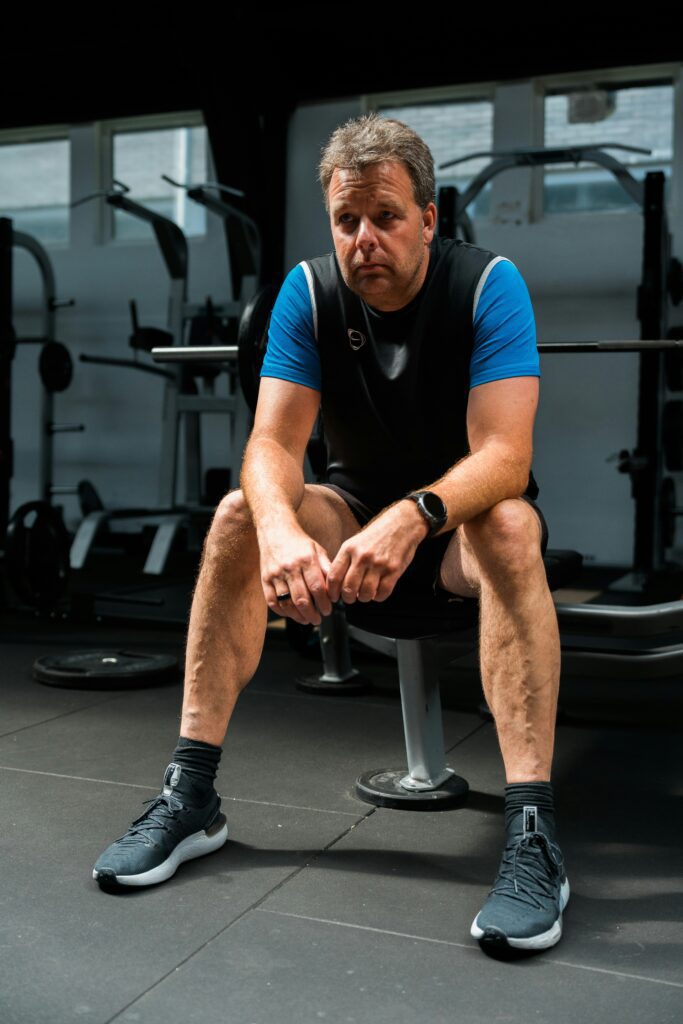
Why Muscle Mass Declines With Age

Best Foods for Muscle Health After 40
Natural Ways to Maintain Muscle Mass
Affiliate Disclosure: Some links on this page may be affiliate links. If you purchase through these links, GreenlyPath may earn a commission at no additional cost to you. This does not affect our editorial standards.