
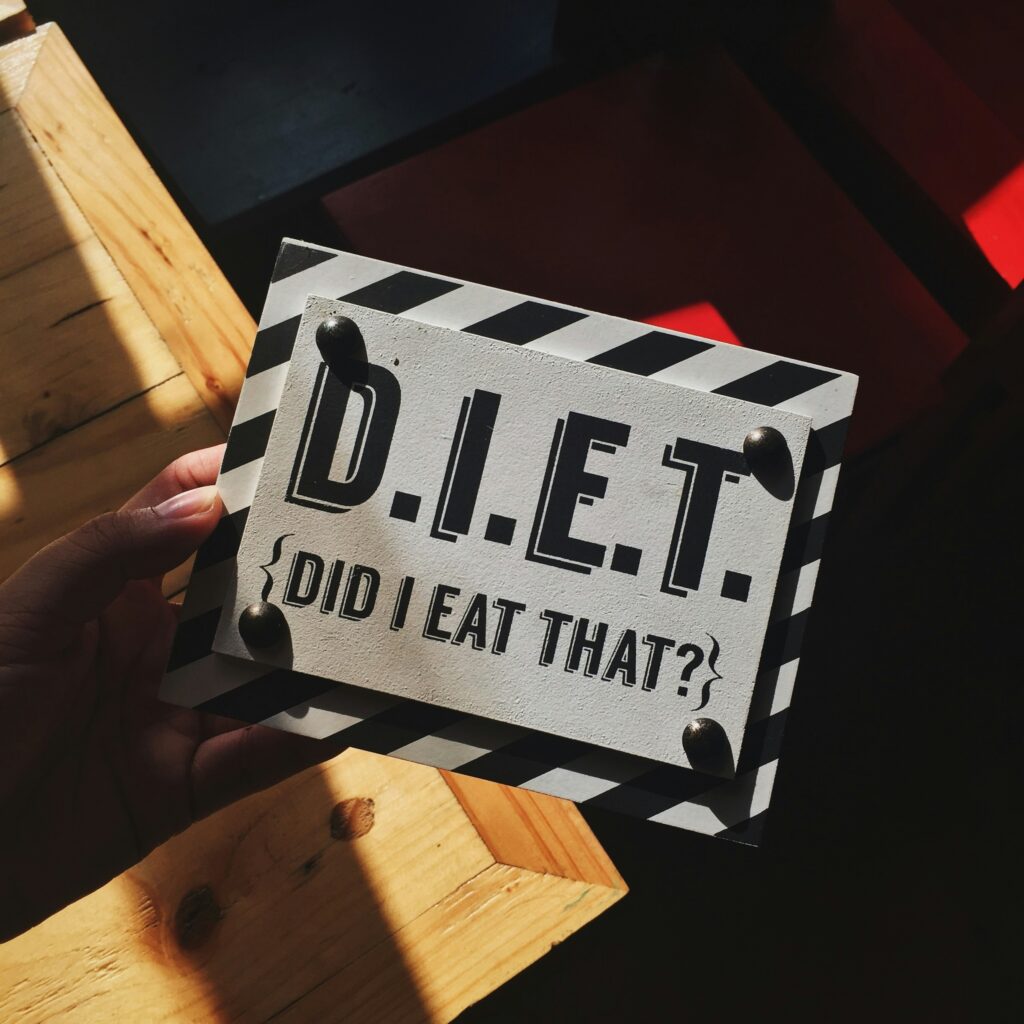
Common Weight Loss Mistakes: Habits That May Be Slowing Your Progress
Reviewed and Updated: June 2026
Many people work hard to lose weight but become frustrated when progress slows or stalls. In many cases, the problem is not a lack of effort but a few common habits that can make weight management more challenging.
Understanding common weight loss mistakes can help you focus on sustainable strategies that support long-term success rather than short-term frustration.
Medical Disclaimer: This article is for educational purposes only and does not replace professional medical advice. Consult a qualified healthcare professional before making major changes to your diet, exercise routine, or weight management plan.
Common Weight Loss Mistakes at a Glance
- Relying on extreme diets
- Not eating enough protein
- Ignoring strength training
- Underestimating portion sizes
- Neglecting sleep and stress
- Expecting rapid results
Why Weight Loss Often Feels Difficult
Weight management involves many factors, including nutrition, activity levels, sleep quality, stress, consistency, and lifestyle habits.
Even small mistakes repeated over time can make progress slower than expected.
If you are over 40, you may also enjoy our guide on Why Weight Loss Gets Harder After 40.
1. Following Extreme Diets
Very restrictive diets may produce quick results initially, but they are often difficult to maintain.
When a diet feels unrealistic, many people eventually return to previous habits, which can lead to weight regain.
Sustainable changes are usually more effective than extreme restrictions.
2. Not Eating Enough Protein
Protein helps support satiety, muscle maintenance, and balanced eating habits.
Without enough protein, people may feel hungry more often and find it harder to maintain healthy eating patterns.
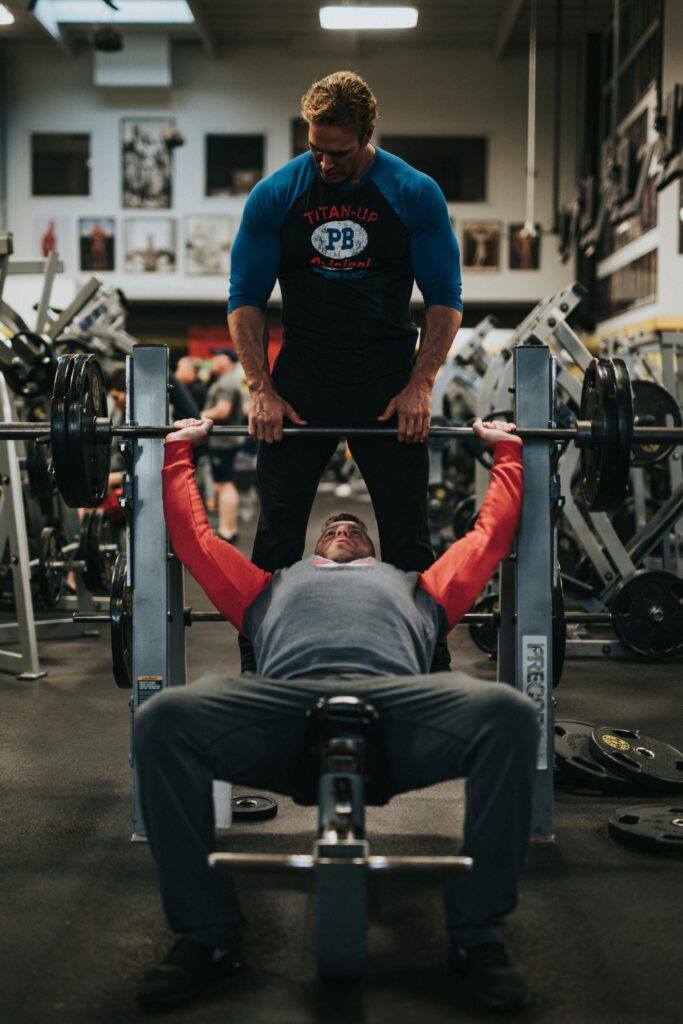
3. Ignoring Strength Training
Many people focus only on cardio exercise while neglecting resistance training.
Strength training helps support muscle mass, healthy aging, and overall body composition.
This becomes especially important after age 40.
4. Drinking Too Many Calories
Calories from beverages can add up quickly without creating the same feeling of fullness as solid foods.
Common examples include:
- Sugary coffee drinks
- Soft drinks
- Sweetened teas
- Fruit juices
- Alcoholic beverages
5. Underestimating Portion Sizes
Even healthy foods can contribute to excess calorie intake when portions become too large.
Foods such as nuts, oils, nut butters, and healthy snacks can be particularly easy to overeat.
6. Ignoring Sleep Quality
Sleep influences appetite, energy, recovery, and daily decision-making.
Poor sleep may increase cravings and reduce motivation to exercise or prepare healthy meals.
7. Overlooking Stress Management
Chronic stress can affect eating patterns and consistency.
Many people find themselves reaching for comfort foods or skipping healthy habits during stressful periods.
8. Expecting Rapid Results
One of the most common weight loss mistakes is expecting major changes in a very short period.
Healthy, sustainable progress often takes time and consistency.
Small improvements repeated over months are often more effective than short bursts of motivation.
9. Relying Only on the Scale
Body weight is only one measure of progress.
Positive changes may also include:
- Improved energy levels
- Better sleep quality
- Increased strength
- Improved endurance
- Better clothing fit
- More consistent habits
10. Trying to Be Perfect
Many people give up after a single bad day or missed workout.
Long-term success usually comes from consistency, not perfection.
One meal or one day rarely determines overall results.
What Habits Support Long-Term Success?
Many successful weight management plans include:
- Balanced nutrition
- Regular physical activity
- Adequate protein intake
- Quality sleep
- Stress management
- Realistic expectations
Learn more in our guide on Healthy Habits for Sustainable Weight Loss.
Choosing Better Foods Matters Too
Food quality plays a major role in appetite control and long-term consistency.
Many people benefit from emphasizing:
- Lean proteins
- Vegetables
- High-fiber foods
- Healthy fats
- Whole-food carbohydrates
Learn more in our guide on Foods That Support Healthy Weight Management.
Can Supplements Support Weight Management?
Some adults explore supplements as part of a broader weight management strategy.
Supplements are generally intended to complement healthy habits, not replace them.
Lean Bliss is one supplement commonly discussed among people interested in natural weight management support.
For a complete overview, read our Lean Bliss Review.
Frequently Asked Questions
What is the biggest weight loss mistake?
Many experts consider overly restrictive dieting one of the most common reasons people struggle to maintain long-term results.
Can poor sleep affect weight management?
Yes. Sleep influences appetite, energy levels, cravings, and daily decision-making.
Does strength training matter?
Strength training may help support muscle mass, metabolism, healthy aging, and overall body composition.
Why am I not losing weight even when exercising?
Many factors can influence progress, including nutrition, sleep, stress, consistency, and overall lifestyle habits.
Should I weigh myself every day?
Some people find daily weigh-ins helpful, while others prefer tracking weekly trends and additional measures of progress.
Final Thoughts
Common weight loss mistakes often have less to do with motivation and more to do with habits that quietly interfere with progress over time.
By focusing on realistic nutrition, strength training, sleep, stress management, and consistency, you can create a more sustainable approach to healthy weight management.
Interested in Healthy Weight Support?
Read our complete Lean Bliss review to learn more about ingredients, benefits, safety information, and daily use considerations.
Related GreenlyPath Guides
Continue exploring healthy weight management, metabolism, and wellness support.

Why Weight Loss Gets Harder After 40
Healthy Habits for Sustainable Weight Loss

Lean Bliss Side Effects and Safety Tips
Affiliate Disclosure: Some links on this page may be affiliate links. If you purchase through these links, GreenlyPath may earn a commission at no additional cost to you. This does not affect our editorial standards.