
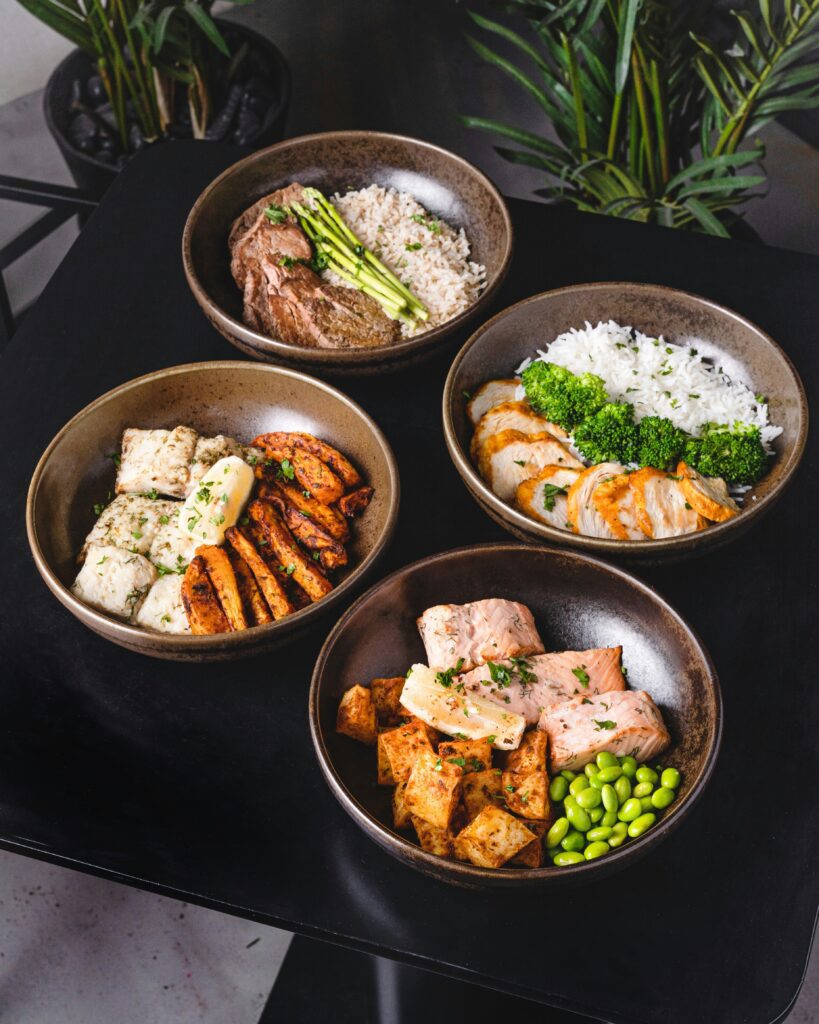
Foods That Support Healthy Weight Management: Smart Choices for Long-Term Results
Reviewed and Updated: June 2026
Healthy weight management is not only about eating less. The quality of the foods you choose can influence fullness, energy levels, cravings, and long-term consistency.
By focusing on nutrient-dense foods that support satiety and balanced nutrition, you can build eating habits that are easier to maintain over time.
Medical Disclaimer: This article is for educational purposes only and does not replace professional medical advice. Consult a qualified healthcare professional before making major changes to your diet, exercise routine, or supplement use.
Weight-Friendly Foods at a Glance
- Lean protein sources
- High-fiber vegetables
- Low-sugar fruits
- Whole grains
- Healthy fats
- Hydrating foods
Why Food Quality Matters for Weight Management
Calories matter, but food quality also plays an important role in how satisfied and energized you feel after meals.
Whole foods that provide protein, fiber, healthy fats, vitamins, and minerals may help support better appetite control and more consistent eating habits.
If weight loss feels harder than it used to, you may also enjoy our guide on Why Weight Loss Gets Harder After 40.
1. Lean Protein Sources
Protein helps support fullness, muscle maintenance, and healthy body composition.
Examples include:
- Fish
- Chicken breast
- Turkey
- Eggs
- Greek yogurt
- Beans and lentils
2. High-Fiber Vegetables
Vegetables are generally low in calories while providing fiber, water, and important nutrients.
Good options include:
- Broccoli
- Spinach
- Kale
- Cauliflower
- Zucchini
- Bell peppers
3. Low-Sugar Fruits
Fruits provide vitamins, minerals, fiber, and natural sweetness.
Many people choose lower-sugar fruits when building weight-conscious meals and snacks.
- Berries
- Apples
- Pears
- Grapefruit
- Kiwi
4. Whole Grains
Whole grains provide fiber and slower-digesting carbohydrates that may support steady energy.
Examples include:
- Oats
- Brown rice
- Quinoa
- Whole wheat bread
- Barley
5. Healthy Fats
Healthy fats can support satiety and make meals more satisfying.
Examples include:
- Avocados
- Olive oil
- Nuts
- Seeds
- Fatty fish
6. Hydrating Foods
Foods with high water content can help support fullness and hydration.
Examples include:
- Cucumber
- Watermelon
- Celery
- Oranges
- Lettuce
Foods Many People Choose to Limit
Some foods are easy to overconsume and may make weight management more difficult when eaten frequently.
- Sugary drinks
- Candy and desserts
- Highly processed snacks
- Fast food
- Refined grains
- Large portions of calorie-dense foods
How to Build a Balanced Plate
A simple plate method may help support balanced eating:
- Half the plate: non-starchy vegetables
- One-quarter: lean protein
- One-quarter: whole grains or starchy vegetables
- Add a small portion of healthy fats
This approach can make meals filling, nutrient-rich, and easier to maintain.
Common Mistakes With Weight Management Foods
Even healthy foods can slow progress if portions, consistency, or overall habits are overlooked.
Common mistakes include:
- Eating too little protein
- Drinking calories without noticing
- Overeating nuts, oils, or calorie-dense foods
- Relying on “diet” foods instead of whole foods
- Ignoring sleep and stress
Learn more in our guide on Common Weight Loss Mistakes.
Healthy Habits Matter Too
Food choices are important, but sustainable weight management also depends on lifestyle habits such as sleep, activity, hydration, and stress management.
For a full routine, read our guide on Healthy Habits for Sustainable Weight Loss.
Can Supplements Support Weight Management?
Some adults explore supplements as part of a broader weight management strategy.
Supplements should be viewed as support, not a replacement for healthy eating, movement, sleep, and consistent habits.
Lean Bliss is one supplement commonly discussed among people interested in natural weight management support.
For a complete overview, read our Lean Bliss Review.
Frequently Asked Questions
What foods support healthy weight management?
Lean proteins, vegetables, low-sugar fruits, whole grains, healthy fats, and hydrating foods are commonly included in balanced weight management plans.
Is protein important for weight management?
Yes. Protein helps support fullness, muscle maintenance, and balanced eating patterns.
Are carbs bad for weight management?
Not necessarily. Whole-food carbohydrate sources such as oats, quinoa, beans, fruits, and vegetables can be part of a balanced diet.
Can healthy fats help with weight management?
Healthy fats may support satiety, but portion size still matters because fats are calorie-dense.
Can supplements replace healthy eating?
No. Supplements are generally intended to complement healthy habits, not replace nutrition, movement, sleep, and consistency.
Final Thoughts
Foods that support healthy weight management are usually nutrient-dense, filling, and minimally processed.
By prioritizing protein, fiber, vegetables, whole grains, healthy fats, and hydration, you can build a balanced eating routine that supports long-term results.
Interested in Healthy Weight Support?
Read our complete Lean Bliss review to learn more about ingredients, benefits, safety information, and daily use considerations.
Related GreenlyPath Guides
Continue exploring healthy weight management, metabolism, and wellness support.

Why Weight Loss Gets Harder After 40

Healthy Habits for Sustainable Weight Loss

Common Weight Loss Mistakes
Affiliate Disclosure: Some links on this page may be affiliate links. If you purchase through these links, GreenlyPath may earn a commission at no additional cost to you. This does not affect our editorial standards.