
Healthy Habits for Sustainable Weight Loss: Building Results That Last
Reviewed and Updated: June 2026
Many people focus on quick fixes when trying to lose weight, but long-term success usually comes from consistent habits rather than short-term extremes.
Sustainable weight loss is often about creating daily routines that support healthy eating, physical activity, sleep, and overall wellness. Small changes practiced consistently can add up to meaningful results over time.
Medical Disclaimer: This article is for educational purposes only and does not replace professional medical advice. Consult a qualified healthcare professional before making significant changes to your diet, exercise routine, or weight management plan.
Sustainable Weight Loss at a Glance
- Focus on long-term habits instead of quick fixes
- Prioritize protein and nutrient-dense foods
- Stay physically active throughout the week
- Improve sleep quality and consistency
- Manage stress levels effectively
- Track progress beyond the number on the scale
What Is Sustainable Weight Loss?
Sustainable weight loss refers to gradual, realistic progress that can be maintained over time. Instead of relying on restrictive diets or temporary solutions, the focus is on building habits that fit your lifestyle.
The goal is not just losing weight, but maintaining healthy behaviors that support long-term wellness.
Why Quick-Fix Diets Often Fail
Many weight loss plans promise rapid results. While some people may initially lose weight quickly, extreme approaches are often difficult to maintain.
When old habits return, weight often returns as well. Sustainable habits are generally more effective for long-term success.
1. Prioritize Protein at Every Meal
Protein helps support satiety, muscle maintenance, and balanced eating patterns.
Examples of protein-rich foods include:
- Fish
- Chicken
- Eggs
- Greek yogurt
- Beans and legumes
- Lean meats
Many adults find that increasing protein intake helps reduce unnecessary snacking and supports healthy eating habits.
2. Eat More Whole Foods
Whole foods are generally less processed and often provide more nutrients than heavily processed alternatives.
Examples include:
- Vegetables
- Fruits
- Whole grains
- Legumes
- Nuts and seeds
- Lean proteins
Building meals around these foods may help support long-term weight management.
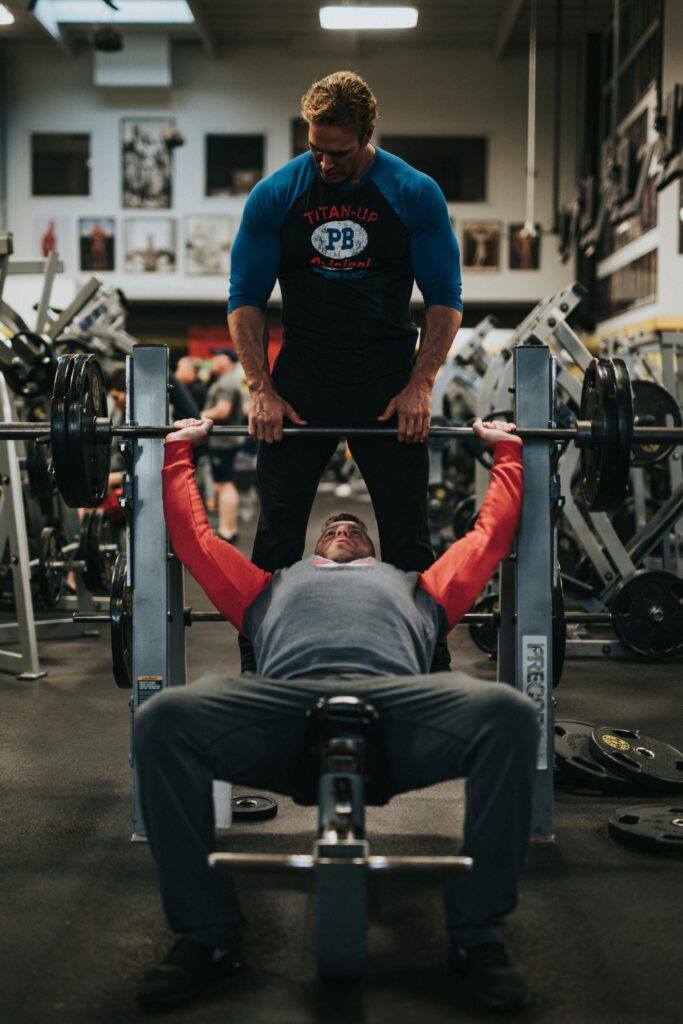
3. Stay Physically Active
Exercise supports overall health, energy levels, muscle maintenance, and healthy aging.
A balanced routine may include:
- Walking
- Strength training
- Cycling
- Swimming
- Flexibility exercises
Consistency is often more important than intensity.
4. Strength Train Regularly
Maintaining muscle mass becomes increasingly important with age.
Strength training may help support metabolism, mobility, physical function, and healthy body composition.
This is particularly important for adults over 40.
You may also enjoy our guide on Why Weight Loss Gets Harder After 40.
5. Improve Sleep Quality
Sleep affects appetite, recovery, energy levels, and daily decision-making.
Poor sleep may contribute to stronger cravings and reduced motivation to stay active.
Simple sleep habits may include:
- Maintaining a consistent bedtime
- Reducing screen time before bed
- Keeping the bedroom cool and dark
- Avoiding caffeine late in the day
6. Manage Stress Levels
Stress can influence eating patterns, cravings, and lifestyle consistency.
Helpful stress-management strategies may include:
- Walking outdoors
- Meditation
- Journaling
- Deep breathing exercises
- Spending time with friends and family
7. Stay Hydrated
Proper hydration supports many normal body functions and may help support healthy eating habits.
Many people mistake thirst for hunger, which can lead to unnecessary snacking.
8. Focus on Consistency, Not Perfection
One missed workout or one indulgent meal does not determine long-term success.
Sustainable weight loss is often built on consistency over months and years rather than perfection every day.
How to Measure Progress Beyond the Scale
The scale is only one measure of progress.
Other signs of positive change may include:
- Improved energy levels
- Better sleep quality
- Increased strength
- Better endurance
- Improved clothing fit
- More consistent healthy habits
Common Habits That Can Slow Progress
Many people unknowingly make mistakes that can interfere with weight management goals.
- Skipping meals regularly
- Overly restrictive dieting
- Ignoring sleep quality
- Not eating enough protein
- Relying solely on cardio exercise
- Expecting rapid results
Learn more in our guide on Common Weight Loss Mistakes.
Can Supplements Support Weight Management?
Some individuals explore supplements as part of a broader weight management strategy.
Supplements should complement healthy habits rather than replace them.
Lean Bliss is one supplement commonly discussed among people interested in natural weight management support.
For a complete overview, read our Lean Bliss Review.
Frequently Asked Questions
What is sustainable weight loss?
Sustainable weight loss focuses on long-term habits that can realistically be maintained rather than temporary or extreme dieting approaches.
How fast should healthy weight loss occur?
Progress varies from person to person. Most experts emphasize consistency and long-term habit development rather than rapid results.
Does exercise matter for weight loss?
Physical activity supports overall health, energy, muscle maintenance, and long-term weight management efforts.
Why is protein important for weight management?
Protein helps support satiety, muscle maintenance, and balanced eating patterns.
Are supplements necessary?
No. Many people successfully manage weight through nutrition, activity, sleep, and healthy lifestyle habits alone.
Final Thoughts
Healthy habits for sustainable weight loss are often simple but powerful. Prioritizing protein, staying active, improving sleep, managing stress, and focusing on consistency may help support long-term success.
Rather than searching for quick fixes, focus on building habits you can realistically maintain for years to come.
Interested in Healthy Weight Support?
Read our complete Lean Bliss review to learn more about ingredients, benefits, safety information, and daily use considerations.
Related GreenlyPath Guides
Continue exploring healthy weight management, metabolism, and wellness support.

Why Weight Loss Gets Harder After 40

Foods That Support Healthy Weight Management
Common Weight Loss Mistakes
Affiliate Disclosure: Some links on this page may be affiliate links. If you purchase through these links, GreenlyPath may earn a commission at no additional cost to you. This does not affect our editorial standards.