
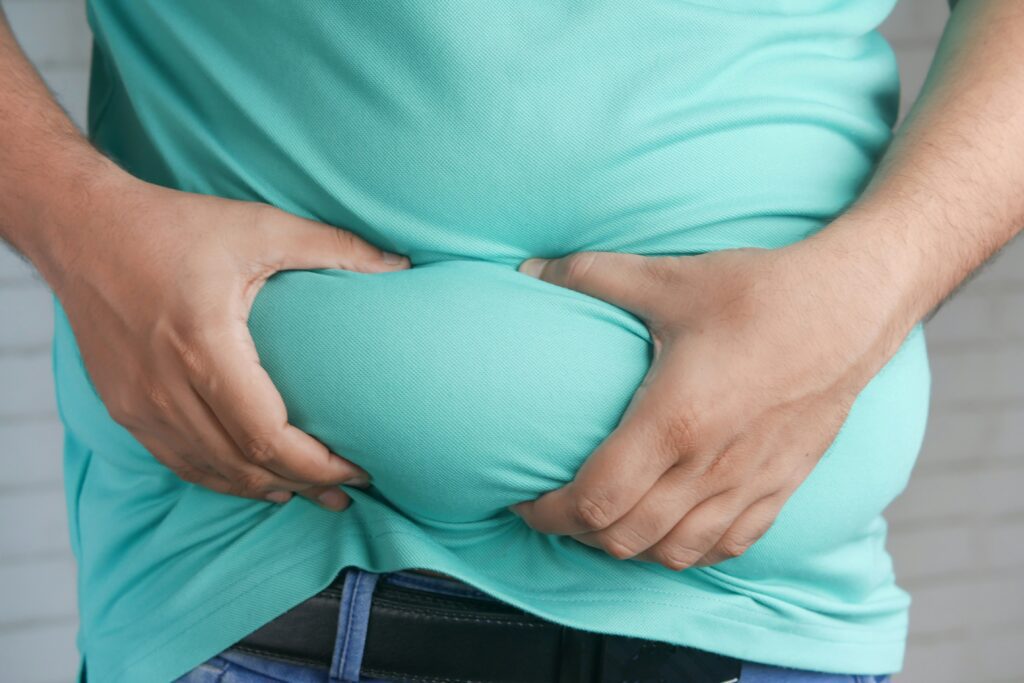
Why Weight Loss Gets Harder After 40: What Changes and What You Can Do
Reviewed and Updated: June 2026
Many adults notice that losing weight becomes more difficult after 40. Habits that once worked may no longer produce the same results, and weight may feel easier to gain than lose.
This change can be frustrating, but it is also common. Understanding why weight loss gets harder after 40 can help you make smarter lifestyle choices and build a more realistic long-term wellness plan.
Medical Disclaimer: This article is for educational purposes only and does not replace professional medical advice. Consult a qualified healthcare professional before making major changes to your diet, exercise routine, or supplement use, especially if you have a medical condition.
Weight Loss After 40 at a Glance
- Metabolism may gradually slow with age
- Muscle mass often declines over time
- Hormonal changes can affect body composition
- Stress and poor sleep may influence weight management
- Strength training and protein intake become more important
- Consistency matters more than extreme dieting
Why Weight Loss Changes After 40
Weight management is influenced by metabolism, muscle mass, hormones, activity level, sleep, stress, and nutrition. After 40, several of these factors may begin to shift at the same time.
That does not mean weight loss is impossible. It simply means the approach often needs to become more intentional, sustainable, and focused on long-term habits.
1. Metabolism May Slow Down
Many adults experience a gradual decline in metabolic rate with age. This means the body may burn slightly fewer calories at rest than it did in earlier years.
Even small changes in metabolism can add up over time, especially when eating habits and activity levels remain the same.
2. Muscle Mass Often Declines
Muscle tissue helps support metabolism and physical strength. As people age, muscle mass may gradually decrease, especially without regular strength training.
This is one reason resistance exercise becomes increasingly important after 40.
3. Hormonal Changes Can Affect Body Composition
Hormonal shifts may influence how the body stores fat, manages appetite, and responds to exercise.
These changes can affect both men and women, although the patterns may differ from person to person.
4. Stress Can Make Weight Management Harder
Chronic stress can affect sleep quality, cravings, appetite patterns, and motivation.
Many adults over 40 are balancing work, family, finances, and health responsibilities, which can make stress management an important part of weight control.
5. Poor Sleep May Affect Hunger and Energy
Sleep influences hormones involved in appetite, energy, and recovery.
When sleep quality declines, many people notice stronger cravings, lower motivation to exercise, and reduced daily energy.
6. Activity Levels Often Decrease
Busy schedules, joint discomfort, work demands, and lifestyle changes can lead to less daily movement over time.
This reduction in movement can make weight management more difficult even if diet has not changed much.
7. Old Diet Strategies May Stop Working
Very restrictive diets may produce short-term results, but they are often difficult to maintain.
After 40, many people benefit more from sustainable habits than aggressive dieting.
What Helps Support Weight Management After 40?
Prioritize Protein
Protein helps support muscle maintenance, satiety, and healthy eating patterns.
Include Strength Training
Resistance training may help support muscle mass, strength, metabolism, and healthy aging.
Walk More Often
Walking is simple, accessible, and effective for increasing daily movement.
Improve Sleep Quality
A consistent sleep routine can support energy, appetite regulation, and recovery.
Manage Stress
Stress management may help reduce emotional eating and support better consistency.
Foods That May Support Healthy Weight Management
Many adults benefit from focusing on nutrient-dense foods rather than extreme restriction.
Examples include:
- Lean protein sources
- Vegetables
- High-fiber foods
- Healthy fats
- Whole grains
- Low-sugar fruits
You may also enjoy our upcoming guide on Foods That Support Healthy Weight Management.
Common Weight Loss Mistakes After 40
Some common mistakes may make progress harder:
- Relying only on cardio
- Not eating enough protein
- Following overly restrictive diets
- Ignoring sleep and stress
- Expecting quick results
- Not tracking habits consistently
We will cover this topic in more detail in our guide on Common Weight Loss Mistakes.
Can Supplements Support Weight Management?
Some adults explore supplements as part of a broader weight management strategy.
Supplements should be viewed as support, not a replacement for balanced nutrition, movement, sleep, and healthy lifestyle habits.
Lean Bliss is one supplement commonly discussed among people interested in natural weight management support.
For a complete overview, read our Lean Bliss Review.
Frequently Asked Questions
Why does weight loss get harder after 40?
Weight loss may become harder after 40 because of changes in metabolism, muscle mass, hormones, sleep, stress, and activity levels.
Can you still lose weight after 40?
Yes. Many adults successfully manage weight after 40 by focusing on sustainable habits such as strength training, balanced nutrition, sleep, and consistency.
Is strength training important after 40?
Strength training may help support muscle mass, metabolism, mobility, and healthy aging.
Does sleep affect weight loss?
Sleep can influence appetite, energy, cravings, and recovery, all of which may affect weight management.
Are supplements necessary for weight loss?
No. Supplements are not required, but some adults use them as part of a broader routine that includes nutrition, movement, and healthy habits.
Final Thoughts
Weight loss can become harder after 40 because the body changes over time. Metabolism, muscle mass, hormones, stress, sleep, and lifestyle habits all play a role.
The best approach is usually not extreme dieting, but a sustainable routine built around strength training, protein, daily movement, quality sleep, stress management, and realistic expectations.
Interested in Healthy Weight Support?
Read our complete Lean Bliss review to learn more about ingredients, benefits, safety information, and daily use considerations.
Related GreenlyPath Guides
Continue exploring healthy weight management, metabolism, and wellness support.
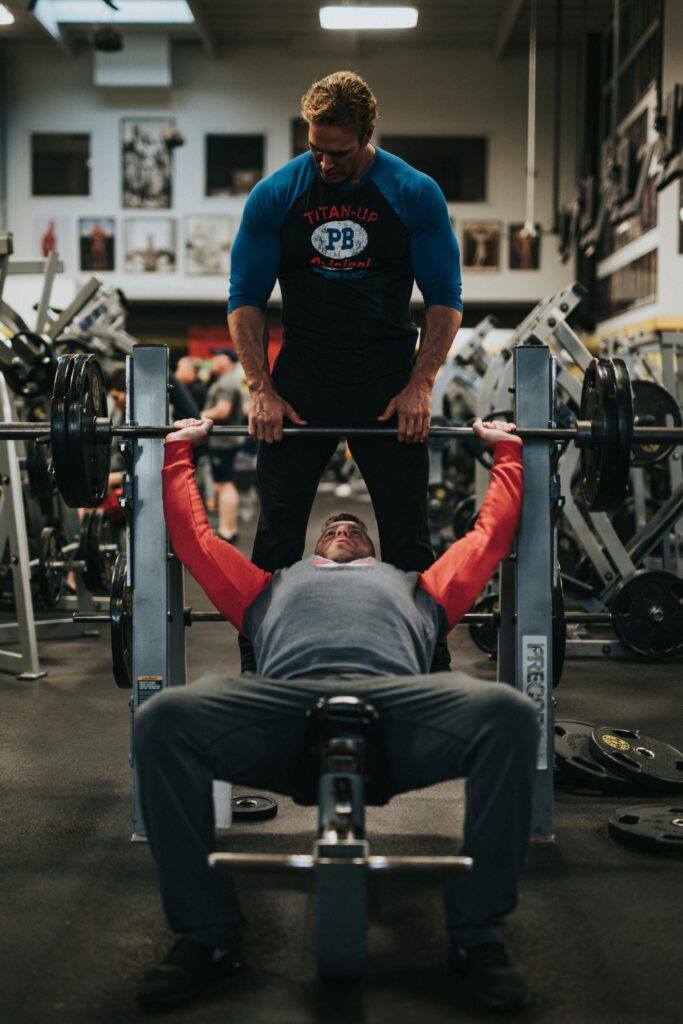
Healthy Habits for Sustainable Weight Loss

Foods That Support Healthy Weight Management
Common Weight Loss Mistakes
Affiliate Disclosure: Some links on this page may be affiliate links. If you purchase through these links, GreenlyPath may earn a commission at no additional cost to you. This does not affect our editorial standards.